

The Jubensha Structure Explained: Example Game (link to play it FREE inside)
Are you interested in jubensha, but unable to find resources to understand jubensha on a detailed level? The best way to learn about jubensha is to try one yourself, but with the limited English-language options out there costing more than you might be willing to take a risk on, what’s the next best option? Here’s my solution to that. I’ll walk you through an original beginner-friendly game that I wrote, one that I’ve made available for FREE so more people can experience a jubensha. This guide has all spoilers removed so you can still play it afterwards.
The free game I’ll use as an example throughout this post is called Worms Against Humanity, my tribute to Among Us and the lockdown era. For 4 players, this beginner-friendly sci-fi themed game lasts 1.5 to 2 hours and is packed with classic Among Us shenanigans! No problematic content beyond general violence you’d see in a social deduction game like Among Us.
1. Set up and character assignments
The typical jubensha will have between 20 - 60 clue cards and 1 character booklet per player. Some games have more than 1 booklet and players are prompted to read the other ones at certain points in the game. More advanced or creative games may have other components, like a set of die, game money, props, a board, etc. depending on what mechanics it includes.
In this phase, you’ll pick a character based on a relatively superficial description of the characters, or the GM assigns them based on a small questionnaire. As a GM, I would review content warnings and role play safety rules at this point.
Here are the 4 playable characters in Worms Against Humanity:




2. Read your character booklet
Here’s where you’ll learn all the delicious information about your character. You’ll have access to your booklet throughout the game, so don’t worry about memorizing every detail.
Common sections in your script include:
General background: Who are you? What was your childhood like? What profession are you in, and how do you feel about that? What were the major forces that shaped who you are today?
Relationships: Whom do you love? Whom do you dislike? Who’s a complete stranger to you? Whose guts do you hate so much you might want to murder them?
Actions: What you did both in the past and in the present. This could include an attempted murder, a successful murder, or perhaps something even worse…
Secrets: What secrets will you keep to your grave, and why? Even if you didn’t commit the murder, you still might have a lot to hide.
Knowledge: Things you know about yourself or juicy information about other players to get the investigation started.
Possessions: What other people might find out about you. If you have something incriminating, time to start lying! I generally encourage lying and distractions over clue hoarding (keeping an incriminating clue away from other players).
Disposition: Suggestions for how to act in character. If you want to role play, heed these instructions or come up with your own interpretation if you like. Just make sure to maintain immersion for all players and to enjoy yourself!
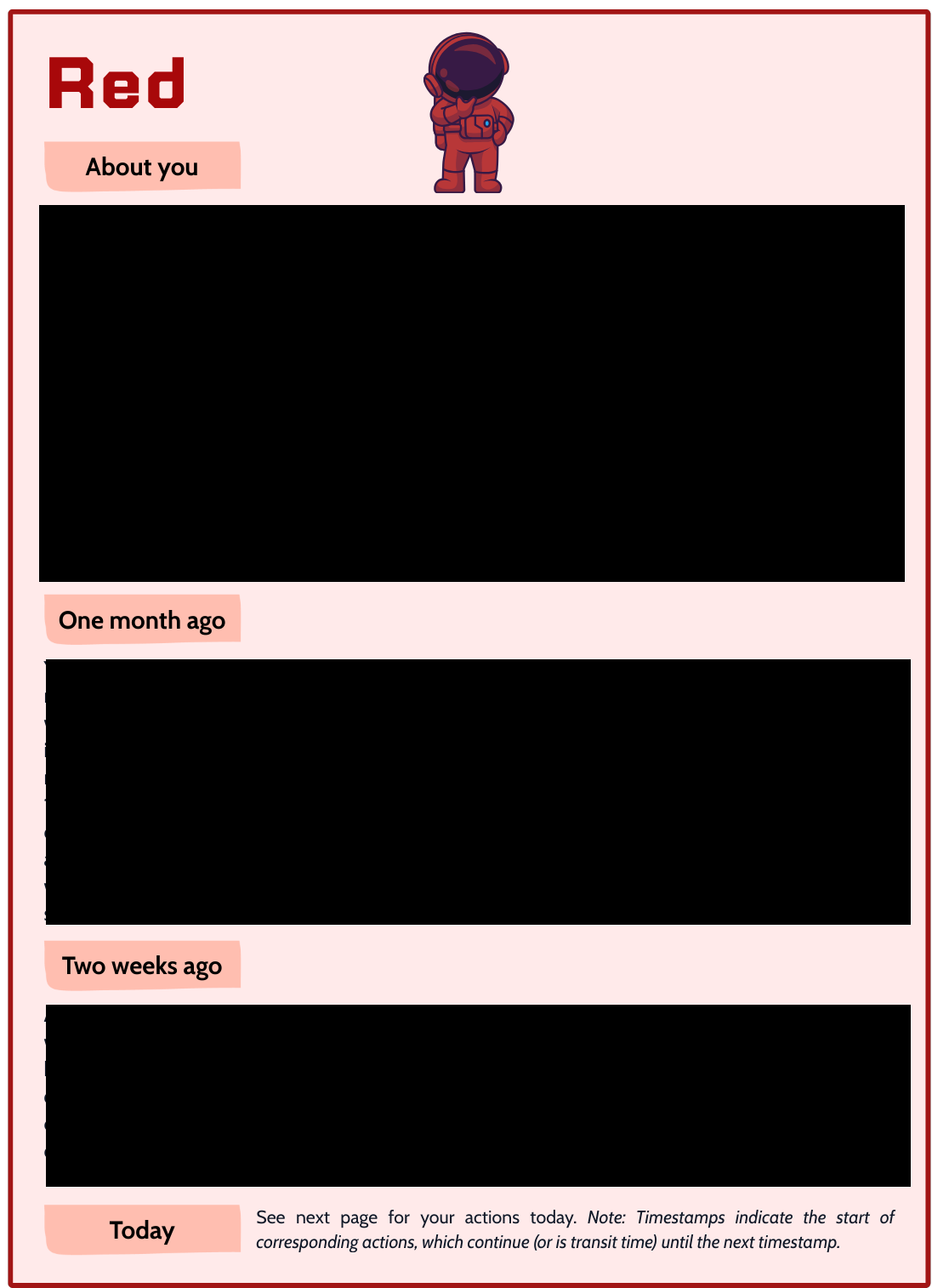
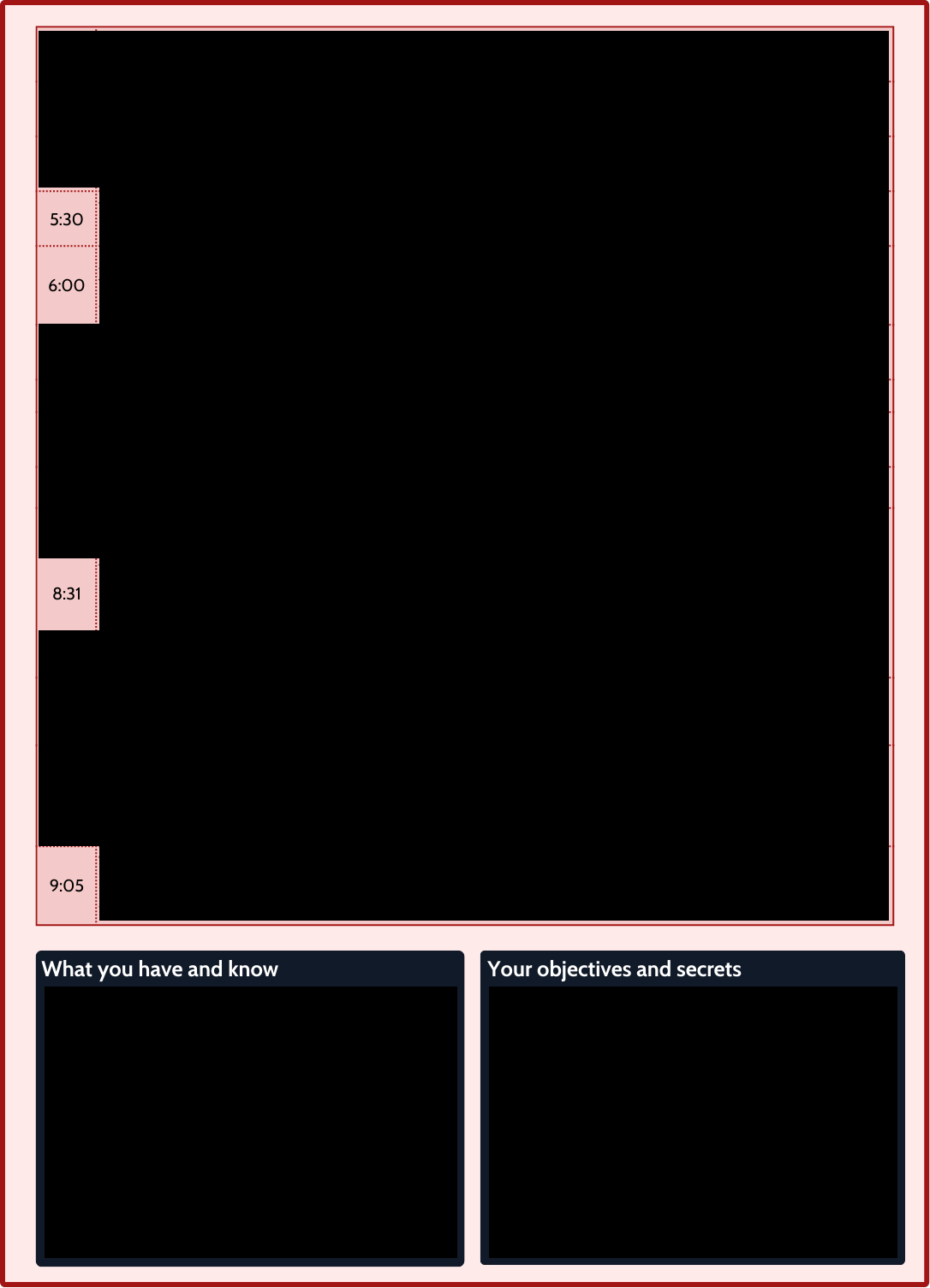
In Worms Against Humanity, there are only two pages to read since it’s a simpler game. I included one page of backstory and historical timeline, and another page dedicated to the timeline of the murder and objectives, secrets, possessions, and knowledge. See the redacted version for “Red” below:
3. Introduce Yourself + Public Discussion
Now that you know who you are, go around the table and introduce yourself in character. Also include pertinent details that your character would share, like why you’re here (if it’s not already obvious) and point out major relationships (e.g. if your character’s husband is one of the other playable characters). At this point, there is no reason to divulge any secrets! A murder (or more) has just occurred and everyone’s guard should be up.
After introductions, there is usually time for public discussion to get everyone on the same page and begin in-character interactions. Public discussion means staying in the same area (table/room) so that everyone can hear everyone else. You might want to review immediately available information, like the map of the area, an autopsy report, or demand when everyone saw the victim last. You’ll have more time later for private discussions, where you can confront people in small group or one-on-one chats, so don’t worry about solving the game yet! This is only the warm up.
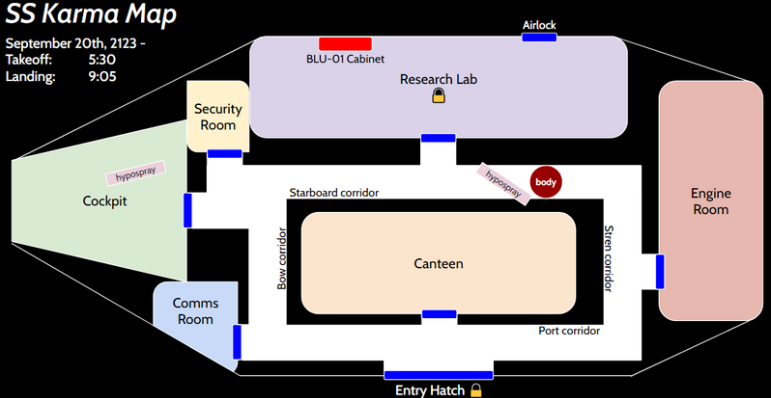
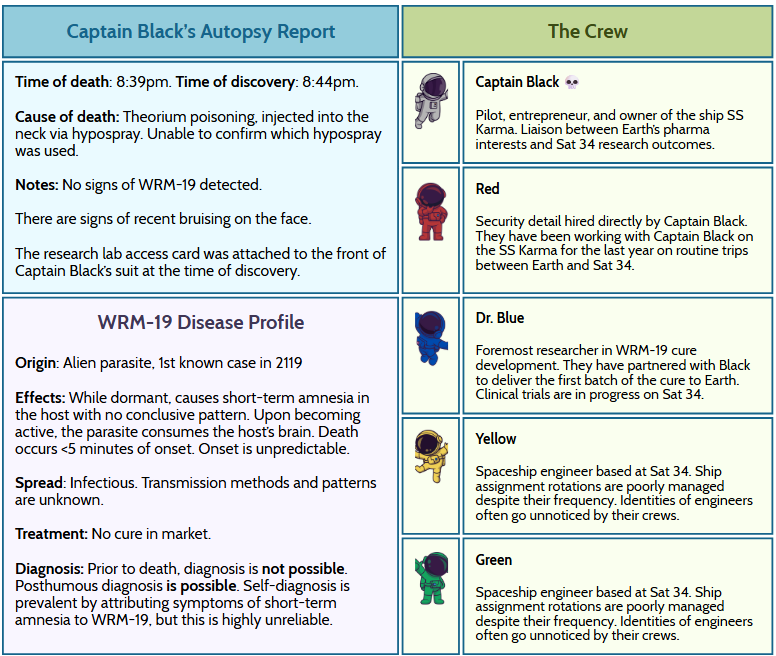
For Worms Against Humanity, I provide the spaceship’s map, autopsy report of the deceased Captain, and a profile of the disease that’s central to the game. This public information is key for solving the mystery.
Take a look below.
4. Investigation + Private Discussions
Taking the majority of the game time, this phase is the meat of jubensha! A common feature in this phase is “action points,” a finite resource each person receives to investigate people or locations. Investigation involves obtaining a clue card. Clues are usually default private until the owner of it decides to make it public, unless specified otherwise (e.g. it’s a public clue).
Use these clues and what you know about other characters to engage in tense and interesting conversations. Did you see a character sneak into the kitchen and now you find a clue that shows they have poison in their possession? Did you overhear a character say “You’ll pay for this!” to the victim before the murder happened, and now you find there is blood on their clothing? Put the pieces together and see how they explain away their suspicious behaviour. But watch out! You’ll also be on the hook to answer for your own actions.
There may be multiple rounds of investigation where some clues aren’t accessible until later on. This is meant to guide you on a specific deduction path that has been designed for maximum player impact. In between rounds, you might be asked to read more from your booklet/a new booklet, perform a skit or guided role play, play a mini-game, or any number of other mechanics.
Remember that even though the murder might be driving the game forward, your character might have other goals in mind. Take this time to achieve those as well.
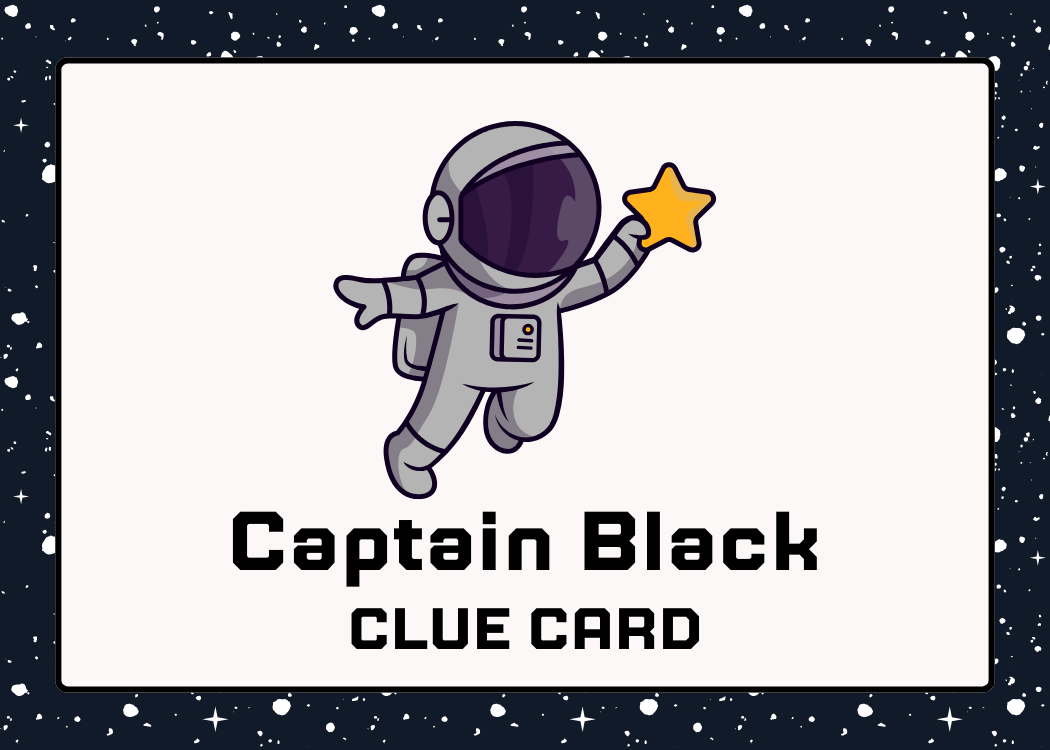
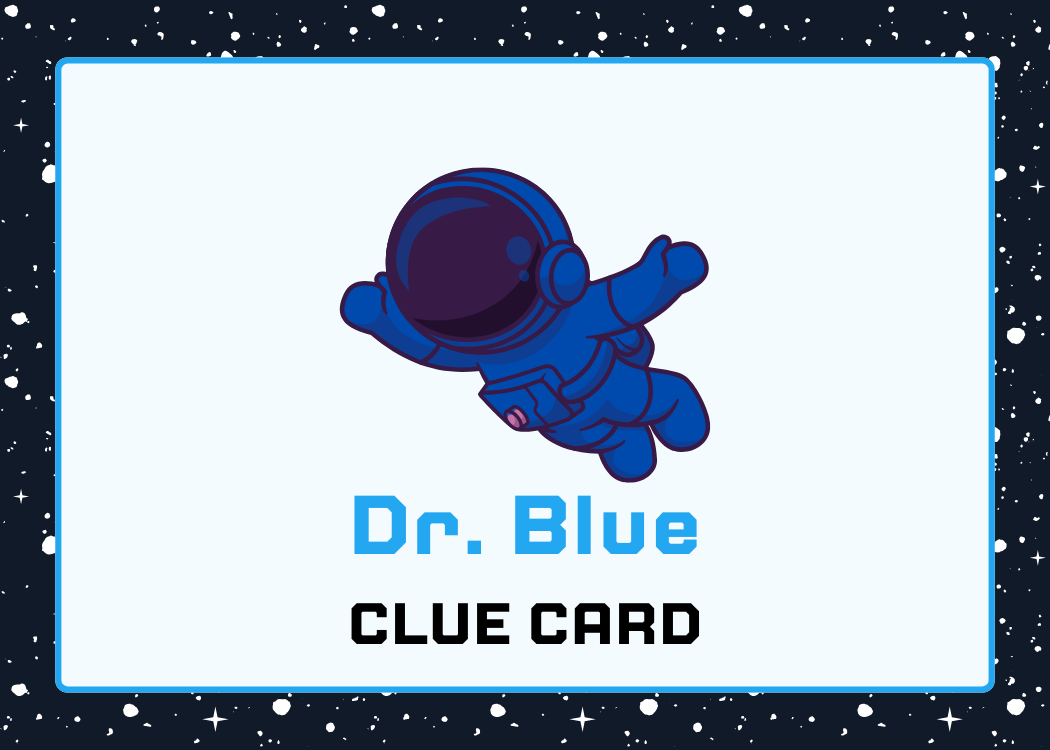
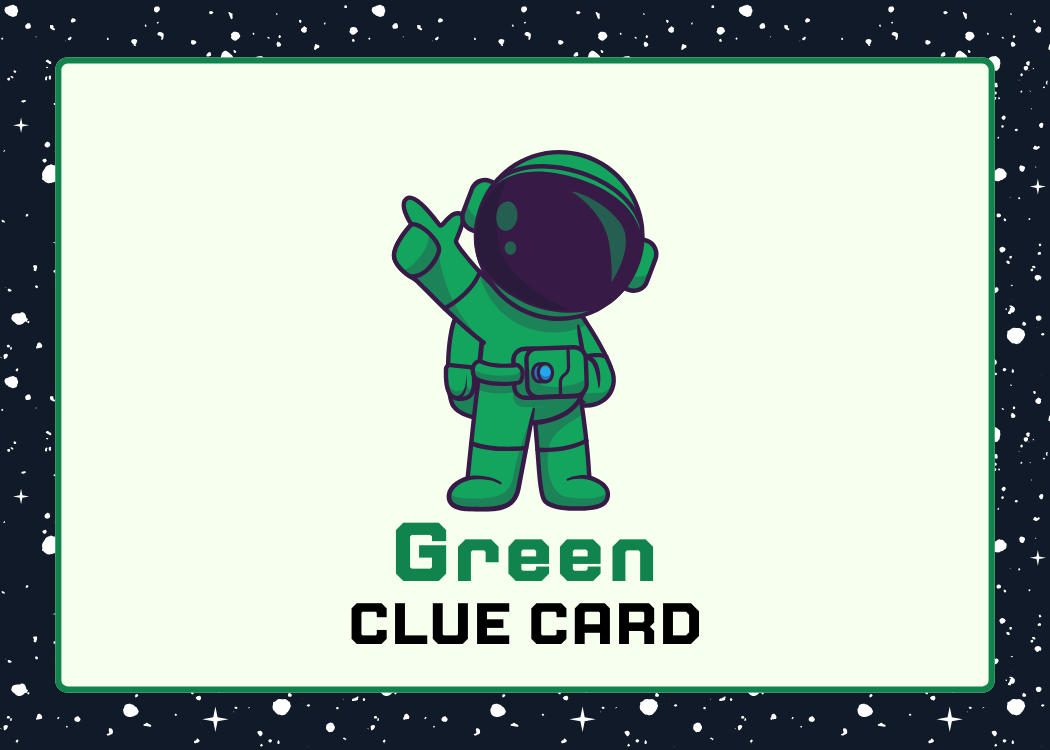
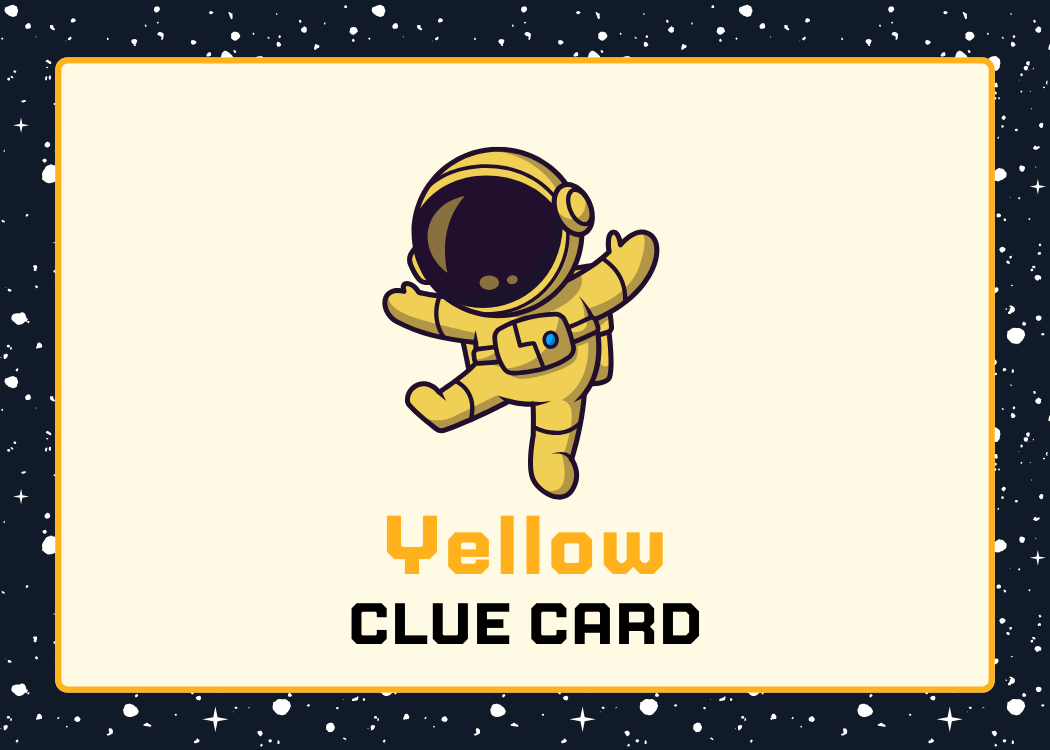
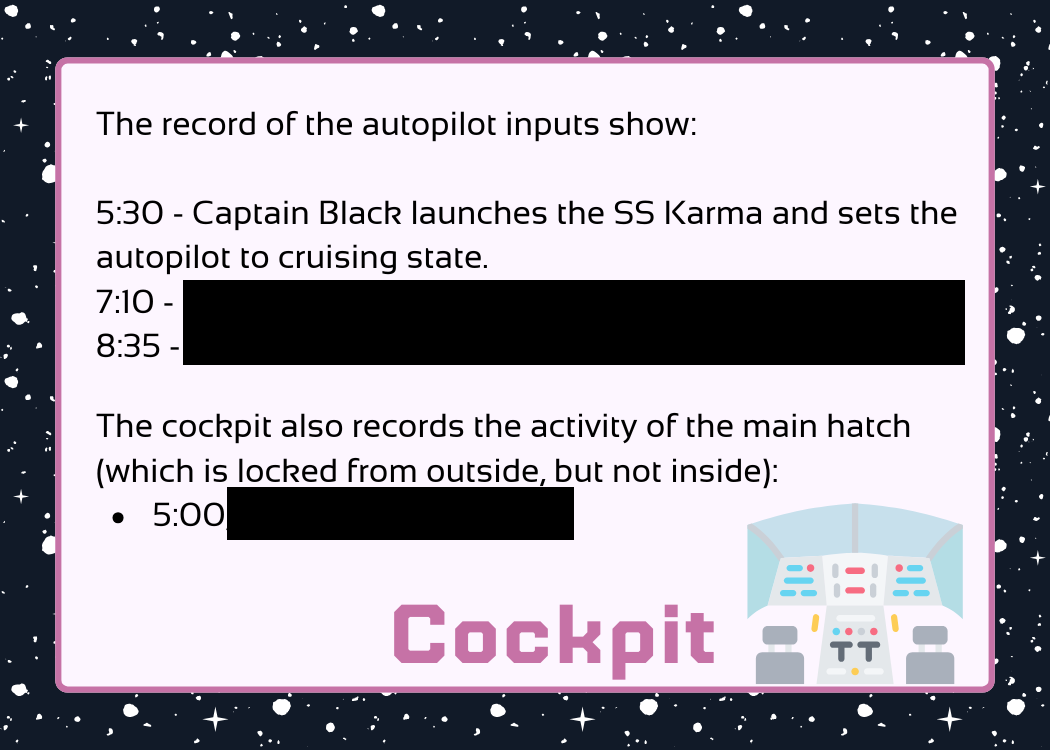
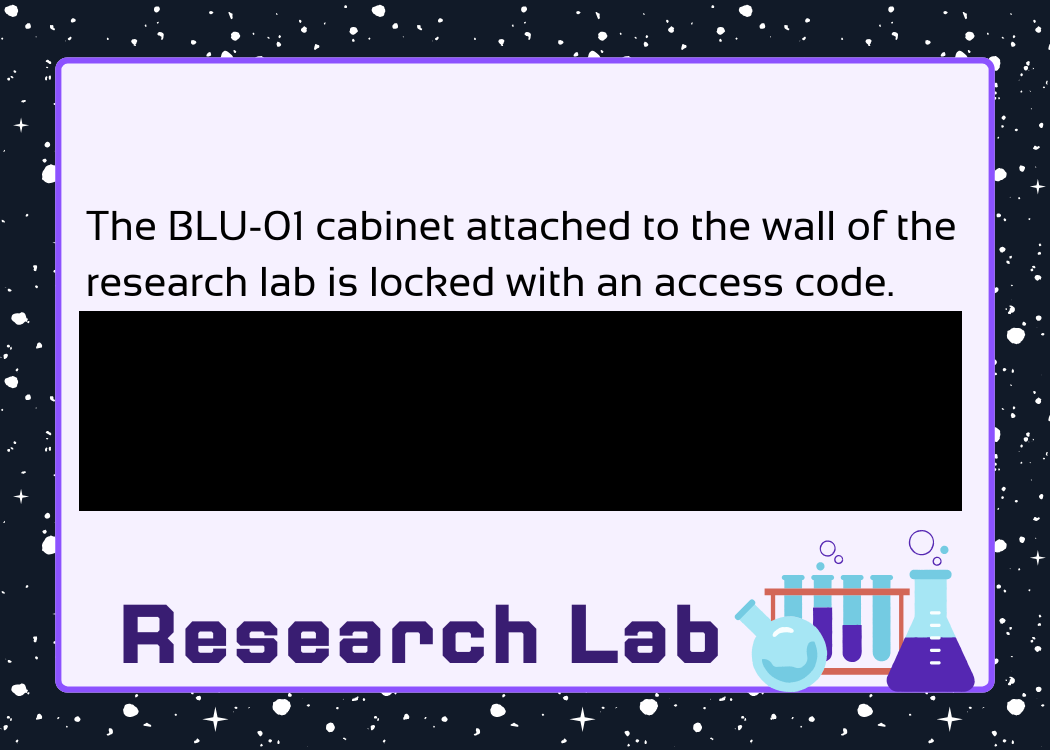
In Worms Against Humanity, every player has 8 action points and there are 9 different places/people that can be investigated. There’s just one round in this game but the clue cards are ordered in a way that the spiciest clues are at the bottom of the pile. For your reference, I’ve included all clue card types and a sample of two clue cards with key information removed.
5. Final Testimonies + Vote
Gather together again and, as a group, discuss your theories, make accusations, and take this last opportunity to reveal tightly held clues. Then, it’s the moment of truth.
Decide who you want to vote out, and after a countdown (either initiated by the gamemaster or yourselves), indicate your choice! It’s usually the majority who decides the vote. Did the murderer(s) get away with it? Or did justice win? Just as importantly, did you achieve your specific character goals that might not even be related to the murder?
6. The Truth, At Last
Now it’s the moment you’ve all been waiting for… learning about actually happened! Sometimes, even the murderer(s) might not know the full story. Listen closely as the GM or one of the players reads out the solution. See how well you did and congratulate everyone for a (hopefully) enjoyable game! Debrief and take some time to step out of your character and return to the real world. If your experience is like mine, you’ll wonder where the last few hours went.
That’s the end of my step-by-step guide on what a typical jubensha structure is like, with notes on how more complex games might add flavour and depth. Is jubensha what you thought it would be? Did the examples from my original game help illustrate what a jubensha game is like? And for veterans, does this structure align with your experience? Let me know in the comments below!
Now that you know what will happen, you might be wondering how you can best strategize and make the most out of a jubensha experience. Check out my beginner strategy guide here: Tips and tricks for the new jubensha player.
The only thing I can say now is: try one out for yourself. If Worms Against Humanity interests you, you can play it for FREE! Both print & play and online versions are available. It will no longer be free once I publish it, likely by early 2026, so give it a try before you need to pay a small fee for it.
To access it, click the button below and enter your email address where prompted. I’ll only use your email to let you know about new jubensha we’re releasing.
